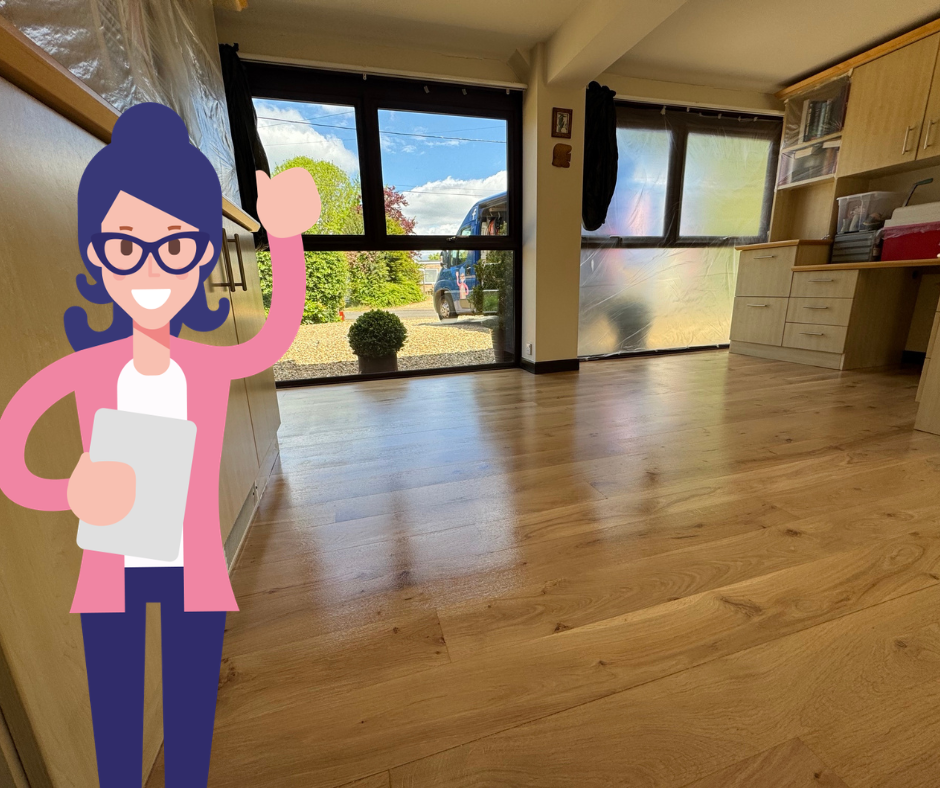
Selling a home has a way of making every tired corner suddenly feel more obvious. The marks you have lived with for years, the dull hallway, the scratched boards by the sofa, the patch of worn finish near the kitchen door. Once estate agent photographs and viewings are on the horizon, it is natural to wonder what is worth improving and what is best left alone.
So, is wood floor sanding worth it before selling a Suffolk home?
The honest answer is that it can be, but not always. Floor sanding can make a room look brighter, cleaner and better cared for, especially where the wooden floor is a visible feature of the home. But it is not the right answer for every floor, every sale or every budget. In some cases, a clean, a maintenance coat or a small repair may be enough.
The useful question is not “Can this floor be sanded?” It is:
Will sanding this floor help the home present better before sale, or would a lighter option be more sensible?
Why wooden floors matter when selling a home
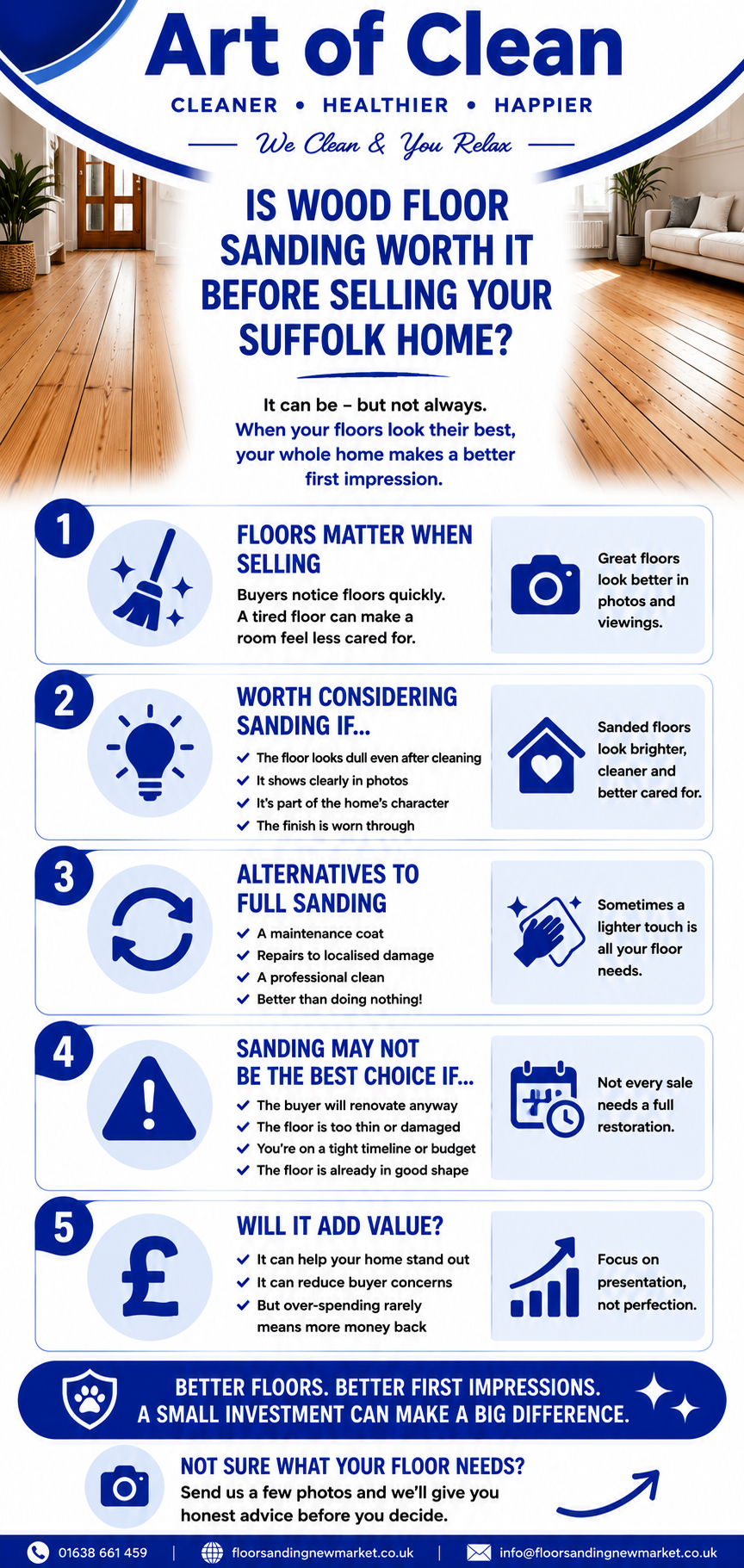
Buyers notice floors quickly. They may not always talk about them, but floors affect how a room feels in photographs, during viewings, and in first impressions. A tired-looking wooden floor can make a whole room feel less cared for, even if the rest of the home is clean and well presented.
RICS says that sellers that first impressions count and that homes should be clean and tidy for any booked viewings. That doesn’t mean every seller should rush into major work. It does mean presentation matters, especially in rooms that appear clearly in online photos.
A sanded and freshly finished wooden floor can help a room feel more open, lighter and more looked after. This can be especially useful in Suffolk homes where wooden floors are part of the property’s character, such as older cottages, town houses, period homes, and family houses with original boards.
The important point is to avoid spending money just because you are moving. The work should have a clear purpose.
When is floor sanding before selling worth considering?
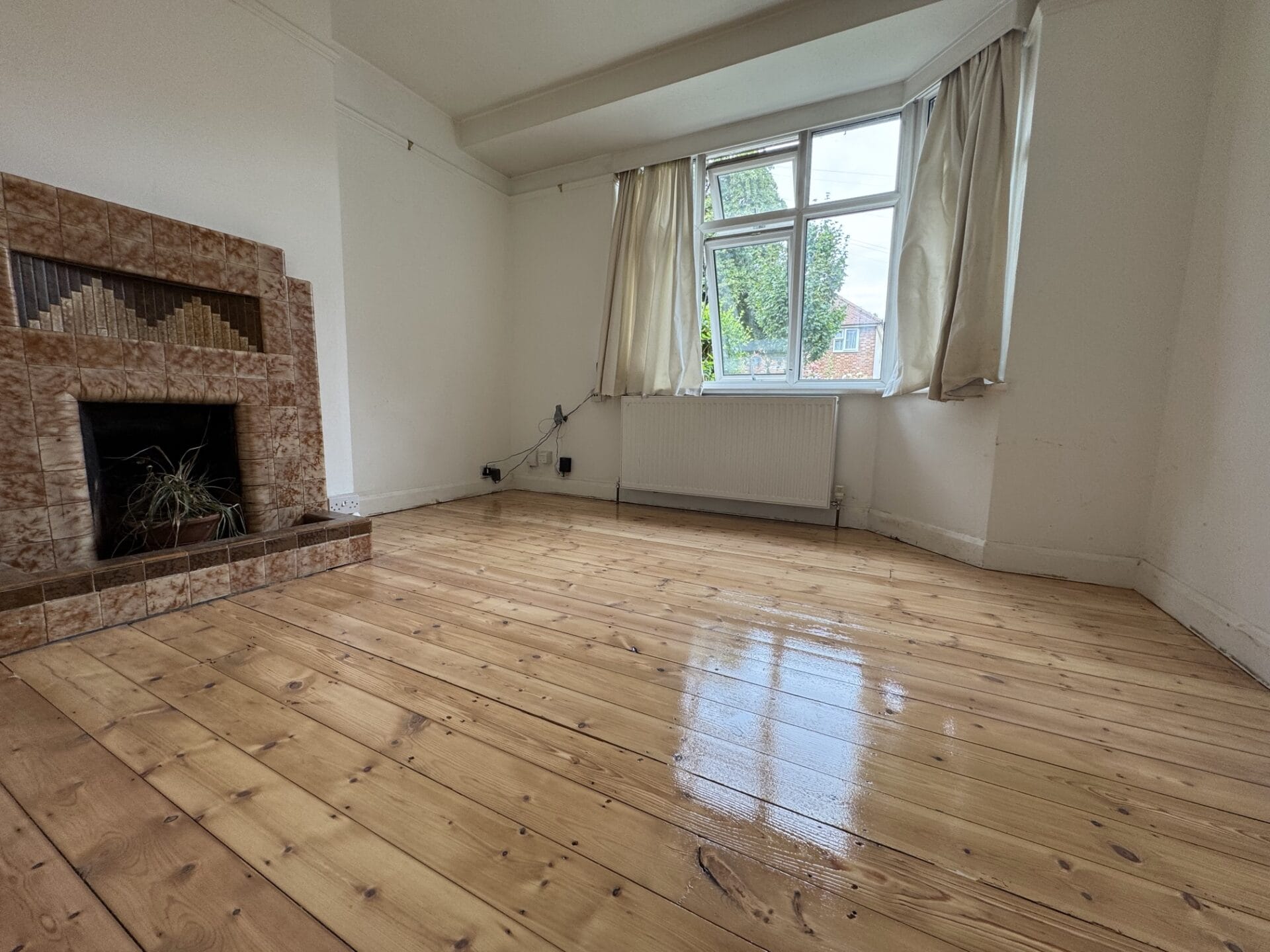
The floor makes the room look tired even after cleaning. If the room has been cleaned and cleared but still looks dull, the wooden floor may be holding the space back. This is common where the finish has worn thin, traffic areas have turned grey, or scratches catch the light across the boards.
In this situation, sanding and refinishing may help the room look cared for again. It is not only about making the floor look new. It is about helping buyers see the room rather than focusing on wear.
The floor will show clearly in estate agent photographs. Large sitting rooms, hallways, kitchens and dining areas can all show a lot of floor in photos. If the floor is a strong visual part of the room, its condition can affect the first impression before anyone books a viewing.
This is where floor sanding before estate agent photos may be worth discussing early. If photographs are already booked, timing matters. If the floor needs sanding, repair, drying time and furniture planning, it is better to ask before the sale process becomes rushed.
The wooden floor is part of the home’s character. In many Suffolk homes, the floor is not just a surface. Pine floorboards, parquet, oak floors and older boards can be part of the feel of the house. If the floor has character but looks neglected, restoration may help buyers see it as an asset rather than another job.
This is particularly relevant in homes around Newmarket, Bury St Edmunds, Stowmarket, Sudbury and nearby villages, where older properties often have floors that deserve assessment before anyone assumes they need covering, replacing or ignoring.
The finish is worn through. There is a difference between a floor that is dirty and a floor where the protective finish has failed. If the finish has worn through in traffic areas, cleaning alone may not solve the problem. The wood may be exposed, marked or uneven in colour.
In these cases, professional wood floor sanding and restoration may be the better route, because it removes the old worn surface and allows the floor to be finished again.
When sanding may not be the best pre-sale spend
A good floor sanding company should be willing to say when sanding is not the most sensible option before a sale.
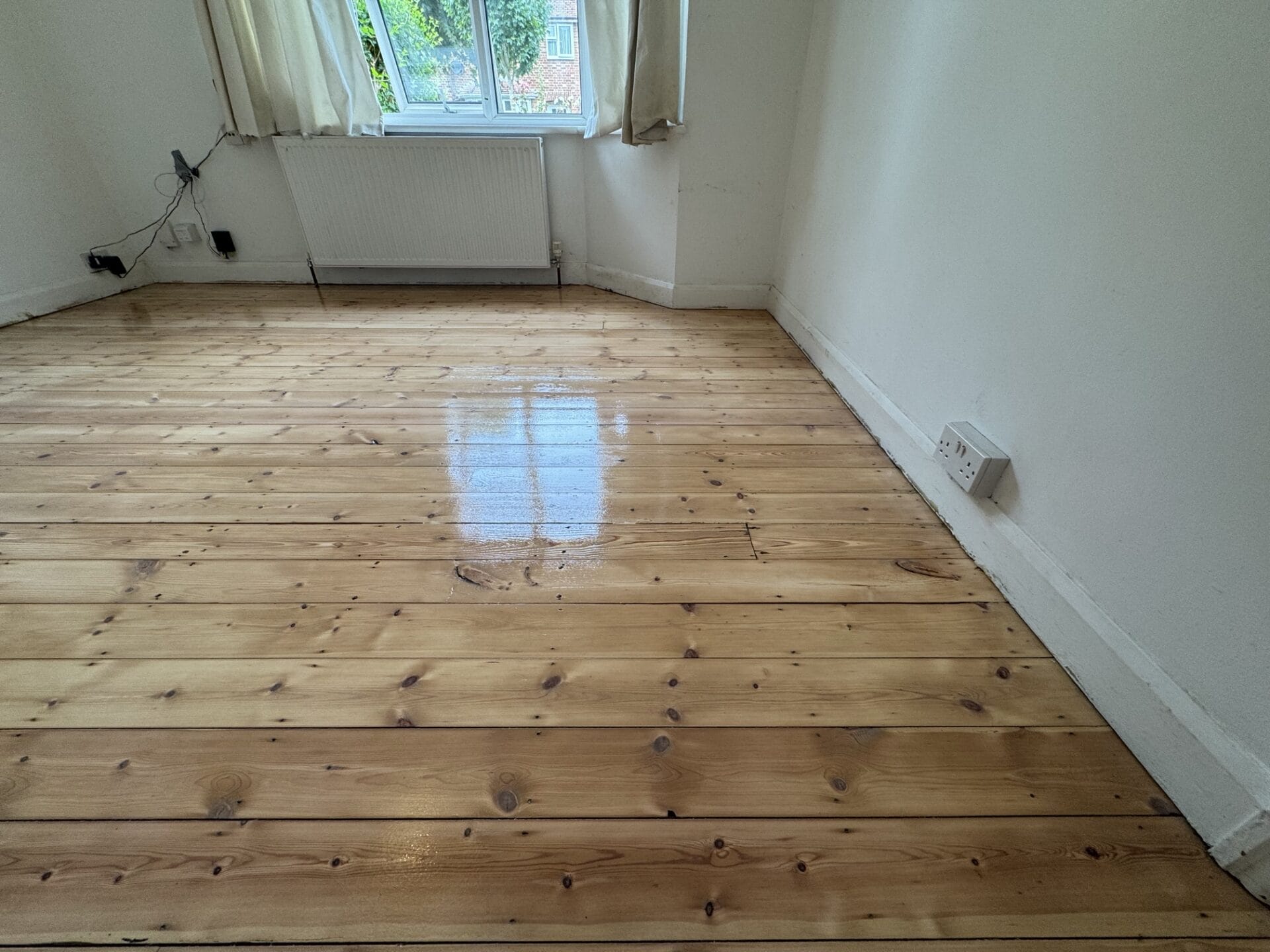
The floor only needs freshening up. If the finish is still sound, the floor may not need full sanding. It may benefit from cleaning, maintenance or a fresh protective coat instead. This can be more suitable where the floor is generally in good condition but lacks a little life.
Before committing to sanding, it is worth asking whether wood floor maintenance would be enough to improve the presentation.
The buyer is likely to renovate anyway. If the whole property needs major updating, full floor restoration may not be the best use of money before sale. Some buyers prefer to choose their own finish, layout or renovation route. In that situation, the aim may simply be to keep the home clean, safe and presentable.
That does not mean doing nothing. It means choosing work that supports the sale without trying to second-guess every buyer.
There are deep stains or damaged boards. Sanding can improve many marks, but it cannot honestly promise to remove every stain. Pet stains, water damage, black marks, old leaks and metal staining can sit deep in the wood. Sometimes sanding improves the appearance. Sometimes you may need repairs or board replacement. Sometimes a mark remains part of the floor’s history.
This is why assessment matters. A seller should not be encouraged to spend money on sanding if the likely result will not meet their expectations.
The timescale is too tight. If viewings are already booked and the home is still full of furniture, full sanding may not be practical. Floor sanding needs access, preparation, drying or curing time, and sensible planning around the rest of the home.
If the deadline is close, ask what can realistically be done. A smaller maintenance option may be better than rushing a larger job.
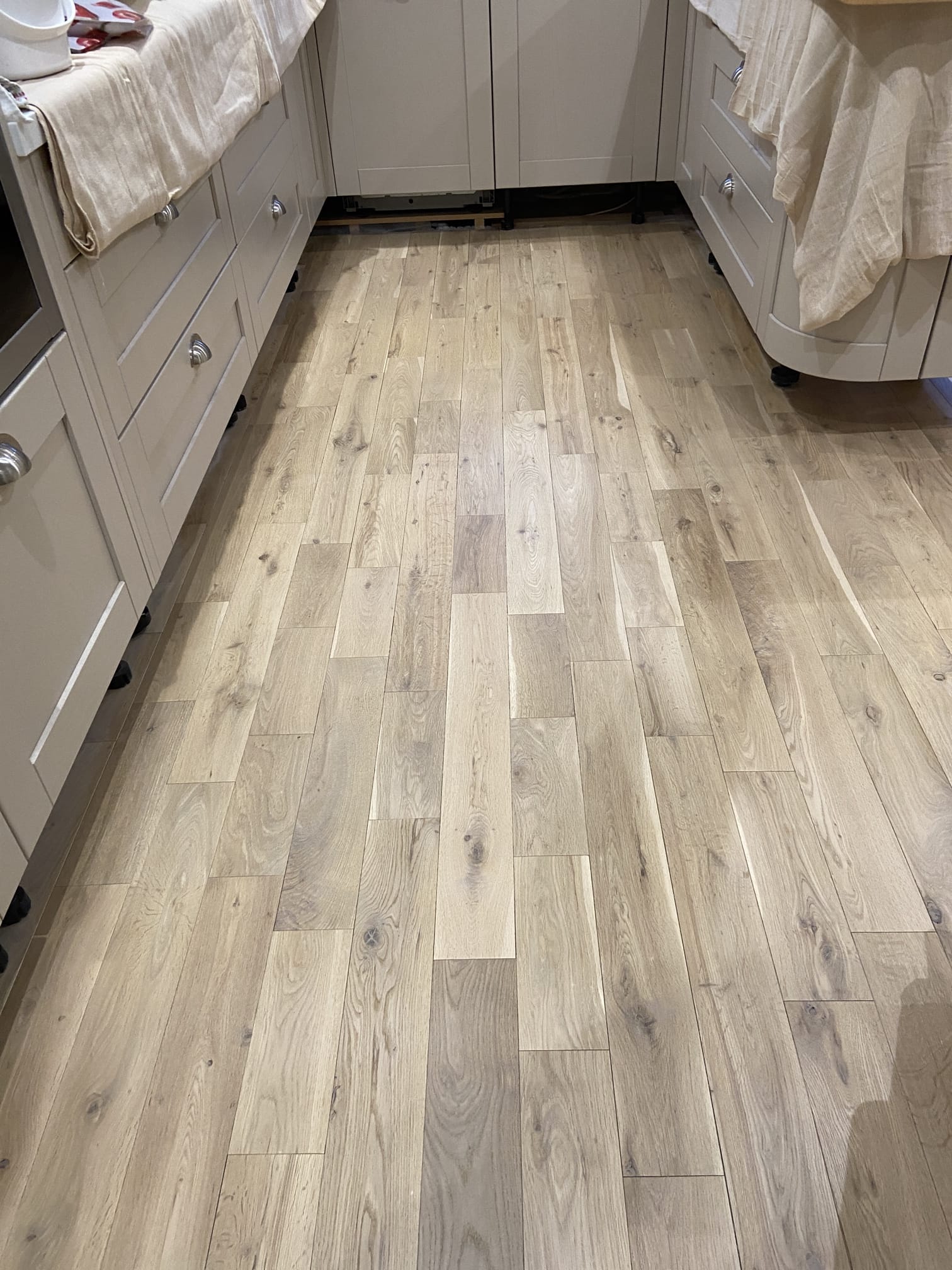
Could cleaning or maintenance be enough?
This is often the most useful part of the decision.
Not every tired-looking wooden floor needs full sanding. Sometimes the finish is still protecting the wood, but the surface has become dull through normal use. In that case, cleaning and maintenance may improve the look without taking the floor back to bare wood.
Cleaning may be enough when the problem is mainly surface dirt. Maintenance may be enough when the finish is still sound but tired. Sanding is more likely to be needed when the finish has failed, the floor is scratched, uneven or ready to be refinished. Repair or restoration may be needed when boards are loose, damaged, stained or missing.
For sellers, this distinction matters because the best choice is not always the biggest job. The best choice is the one that helps the home present well without unnecessary spend.
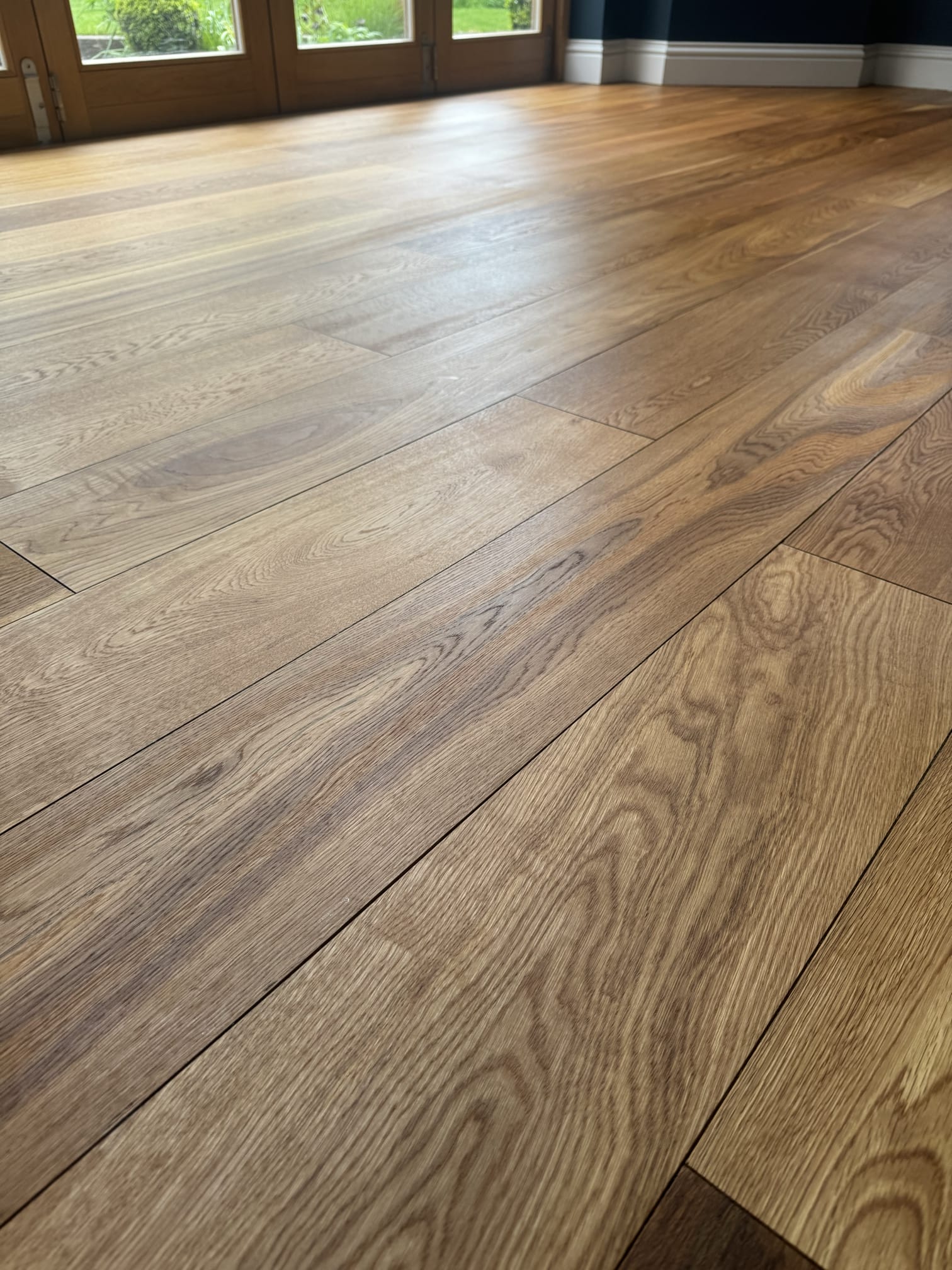
What should be checked before you decide?
Before advising on floor sanding before selling, a professional should look at the floor properly. A quick answer over the phone may not be enough if the floor has stains, old finishes, loose boards or an unknown construction.
The first thing to check is whether the floor is solid wood or engineered wood. Some engineered floors can be sanded, but not all. It depends on the wear layer, previous sanding and condition. They should check this before making any promises.
It is also important to know whether the floor has been sanded before. A floor that has already been sanded several times may have less material left to work with, especially around edges, thresholds and older boards.
The condition of the finish really does matter too. A dull floor may only need maintenance. A worn-through floor may need sanding and refinishing. Deep stains also need honest advice, because the aim should be realistic improvement rather than a guaranteed perfect result.
Repairs should be considered before sanding starts. Loose boards, damaged parquet blocks, gaps, movement and old repairs can all affect the result.
The finish choice should also suit the sale situation. Some sellers want a natural look. Others want a practical, durable finish that will present well for viewings. Depending on the floor and the room, wood sanding and lacquer or wood sanding and oiling may be discussed.
Should you sand before or after the estate agent visits?
If the floor is likely to affect the photographs, ask before the estate agent takes images. Online presentation matters, and a tired floor can show more clearly in photos than it does in daily life.
That said, do not rush into work without advice. If the estate agent is visiting very soon, it may be better to ask for a quick assessment first. Sometimes the answer is to sand before photos. Sometimes the answer is to clean, dress the room well and leave full restoration for the buyer.
A sensible order is to speak to your estate agent about timescales, ask for a floor assessment before photographs if the floor is visibly tired, then decide whether sanding, maintenance or no work is the right pre-sale choice. It is also worth thinking about furniture and access before booking the work, so the job is practical as well as useful.
This keeps the decision calm rather than rushed.
Suffolk homes where this question often comes up
This question often comes up in Suffolk homes where the wooden floor is part of the room’s appeal. It may be an older cottage with pine boards, a family home with a worn hallway, a parquet floor in a sitting room, or an oak floor that has become scratched and dull over time.
For homes in Newmarket, Bury St Edmunds, Stowmarket, Sudbury and surrounding villages, the local angle is not simply the place name. It is the type of property, the visible flooring and the decision the seller is trying to make before going to market.
A floor does not have to be a dramatic restoration project to be worth discussing. Ordinary family floors, entrance halls, sitting rooms and kitchens can all affect how a home feels to a buyer.
Will sanding wooden floors add value to your home?
This is the question many sellers really want to ask.
The careful answer is that floor sanding may improve how your home presents, but no one should guarantee that it will increase the sale price. Property value depends on many things, including location, market conditions, layout, condition, buyer demand, and the rest of the home.
A better way to look at it is whether the floor currently distracts buyers, makes the room look darker or less cared for, or will be clearly visible in photos and during viewings. If improving the floor would help buyers see the room more positively, and the cost is proportionate to the likely benefit before sale, sanding may be worth considering.
If not, a lighter option may be the better choice.
A simple decision guide before you spend money
If you are preparing a Suffolk home for sale, use this as a practical starting point:
- Choose sanding if the floor is scratched, worn through, patchy or making the room look tired.
- Choose maintenance if the floor is generally sound but needs freshening up.
- Choose repair advice if boards are loose, damaged, stained or uneven.
- Pause before spending if the buyer is likely to renovate or your timescale is too tight.
- Ask for an assessment if you are unsure which option is right.
This is where good advice can save money as well as improve the home. The right recommendation may be full sanding, but it may also be maintenance, repair or leaving the floor as it is.
Before you make any decisions…
Sanding your wood floor before selling your house can be worthwhile when it helps a room present better, supports estate agent photographs, and makes a tired floor feel cared for again. But it should be a considered decision, not a panic spend before viewings.
The best starting point is a clear assessment of the floor, the timescale and the likely benefit.
If you are preparing a Suffolk home for sale and are unsure whether your wooden floor needs sanding, maintenance or repair, ask us to take a look. We will help you decide what is worth doing before you spend money.