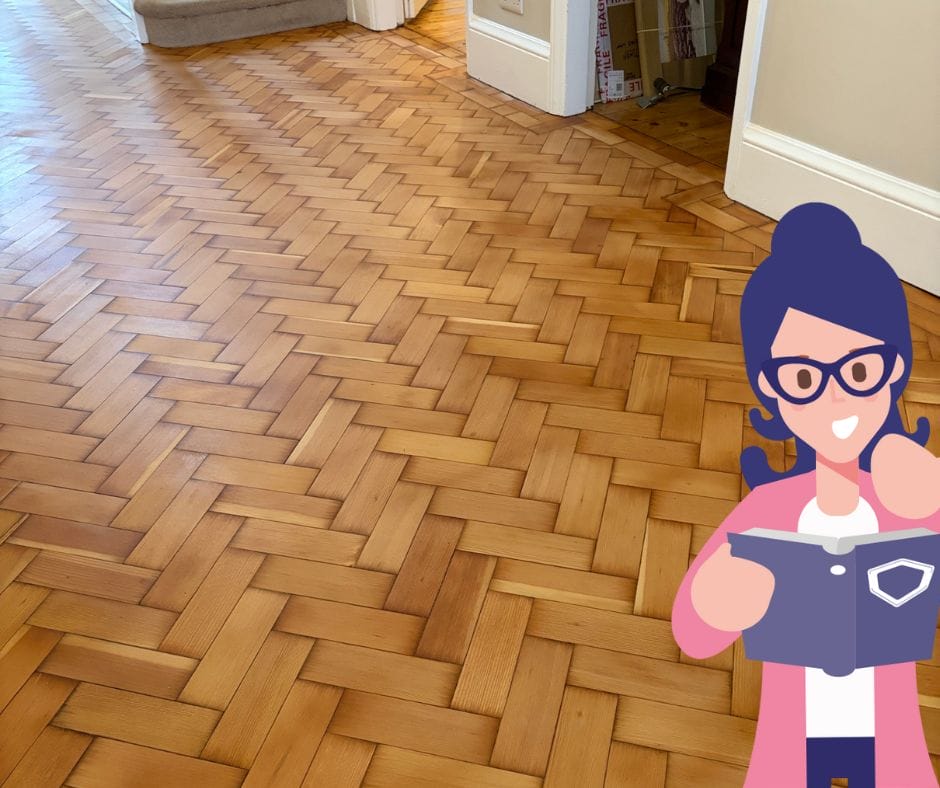
The new year often brings a moment to pause and notice the parts of the home that have quietly changed over time. Many people look at their wooden floors and wonder whether they need more than a routine clean. Before choosing between a light refresh and a full wood floor restoration, there are subtle signs that can easily go unnoticed. Understanding these small details helps you see how the timber has aged and what might suit it best in the months ahead.
Why noticing early wear patterns makes future decisions clearer
Wooden floors rarely become tired overnight. They age gradually through daily use. Dull patches, fine surface scratches and slight texture changes often appear long before the floor looks worn. These signs are normal. They reflect how hardwood flooring reacts to movement, sunlight and moisture in a lived-in home.
Looking closely at how the floor has aged will help you to understand whether it is at the stage where a surface refresh could lift the grain or whether the finish has worn enough to justify a deeper renovation. In many homes, high-traffic areas like hallways show signs of surface finish deterioration sooner than quieter rooms.
A simple check in natural daylight often reveals more than overhead lighting. It highlights differences in sheen level, subtle discolouration and areas where the protective layer is thinning. You can explore more topics like this in the Knowledge Centre.
The existing finish influences what the floor may need next
One of the most overlooked factors is the type of finish already on the floor. Lacquered flooring, oiled wood flooring and hard wax surfaces all age differently.
- Lacquered floors usually show a change in sheen long before the wood underneath is affected. Once the lacquer wears through, sanding becomes the natural next step.
- Oiled floors tend to become dull rather than patchy. They often respond well to a deep clean and re-oil, which restores the natural wood grain without needing a full sanding.
- Hard wax finishes wear gently but can become uneven in areas exposed to heavier footfall.
Understanding which finish you have helps you recognise whether dullness is cosmetic or whether the protective layer has begun to break down. This knowledge prevents unnecessary work and supports the long-term health of the timber.
For a clear explanation of the steps involved, see Our Process.
Furniture placement reveals more than people expect
In many Newmarket homes, furniture stays in place for years. The wood beneath sofas, bookshelves or dining tables often retains its original tone, while surrounding areas slowly take on the gentle patina of everyday life.
When furniture is moved during a cleaning or sanding preparation stage, the contrast can be surprising. Protected wood may appear richer, smoother or lighter, while exposed areas show natural ageing, micro-scratches or sun-fade.
This pattern is completely normal. It simply reflects which areas received light and use. Being aware of these differences early helps you understand how the whole floor might look once fully uncovered and refreshed.
To see examples of natural floor variation, visit the Gallery.
Seasonal movement shapes how the wood floor looks in winter
Wood reacts to environmental changes, and winter conditions in particular highlight this. Indoor heating creates drier air, which encourages timber to contract slightly. It is common to see small board gaps, minor cupping or firmer texture underfoot.
These seasonal changes do not indicate damage. They usually settle again when the humidity rises. Recognising this natural movement helps prevent misreading normal winter behaviour as wear.
For general flooring guidance, the NCCA has useful information.
Light, shadows and natural tone variation create patterns across the floor
Sunlight can change a wood floor over time. Areas near windows often lighten, while sections under rugs or furniture stay deeper in colour. This variation happens slowly and is influenced by the wood species, finish type and how the light moves through the room.
During sanding or a surface renovation, these tone differences can be blended. Before that stage, simply noticing the patterns helps you understand why certain patches appear uneven.
Dust control planning matters… even with modern sanding systems
Although modern sanding systems will collect the majority of dust, there are still small things many people do not anticipate. Floor-level objects can collect fine particles. Delicate items may sit close to the sanding area. Soft furnishings benefit from being moved or lightly covered.
Thinking about these small details early makes the practical side of the sanding process feel more predictable.
How to recognise when sanding may be needed instead of a light refresh
As wood floors age, there are clear signs that the surface finish is nearing the end of its lifespan. These include:
- Areas where the finish has worn away completely, and the wood absorbs moisture quickly
- Grey or dull patches that feel rougher than any of the surrounding boards.
- Deeper scratches that may have marked the timber itself, rather than just the finish.
- Significant tone imbalance between high-traffic and low-traffic zones
These indicators usually mean the protective layer is no longer protecting. When the surface is intact but doesn’t have that vibrancy, a light refresh can often extend its life without deeper intervention.
You can read more about the restoration stage here.
Key takeaways
- Floors age gradually through natural wear, use and light exposure
- The existing finish strongly influences what the floor may need next
- Furniture placement can hide or reveal age patterns in the wood
- Seasonal movement affects winter appearance and board gaps
- Recognising early signs helps clarify whether a refresh or deeper restoration may be suitable one day
FAQs
How long does a wood floor sanding job usually take?
Most rooms take 1 to 2 days, depending on size, layout and condition.
Will sanding create dust?
Modern equipment collects most dust at the source. Light settling can still occur.
Can people stay at home during the sanding process?
Yes. There are times when rooms cannot be walked on, but many households remain at home and plan around the schedule.
Is winter a suitable time for sanding?
Yes. Indoor winter conditions are usually stable enough for finishes to settle.
What signs show that a floor may need sanding?
Grey patches, really worn lacquer, deep scratches and a finish that no longer repels moisture are the most common indicators.
Wood floors change gradually and quietly. Understanding those small shifts makes it easier to read what the floor is telling you. Whether you plan a refresh one day or simply keep observing, these patterns reveal how the wood is evolving in your home.