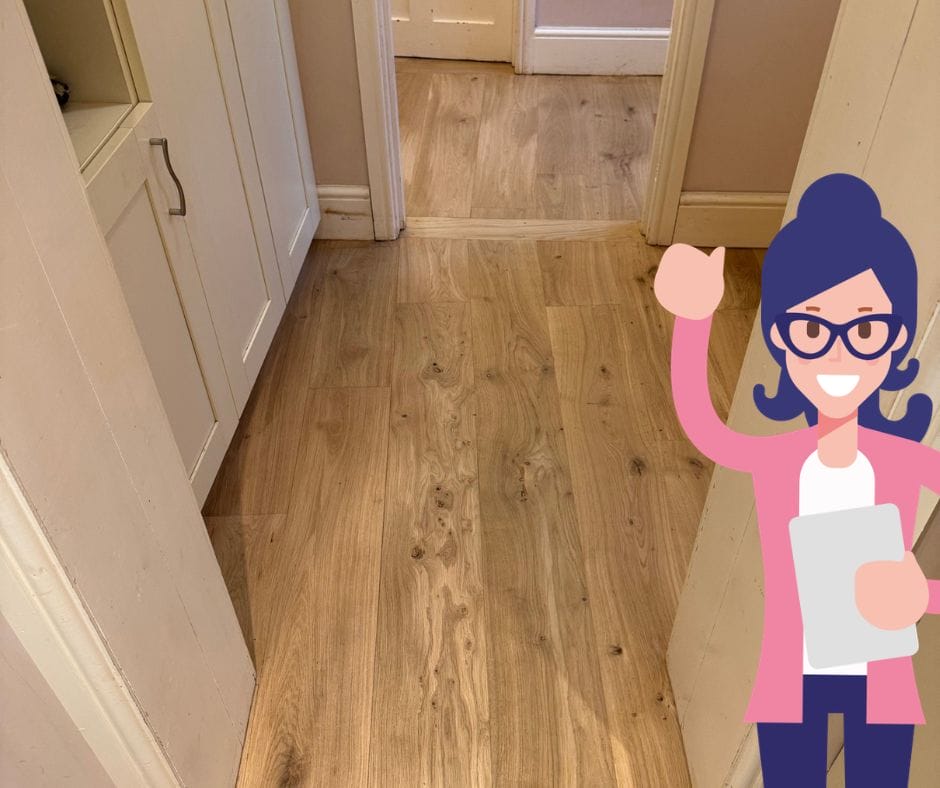
Spring and summer are meant to feel lighter, but they also make your floors feel more “visible”. The sun sits higher, the rooms brighten, and suddenly the marks you have lived with all winter look sharper than you remember. That can feel like the floor has got worse overnight. This is often the moment people finally do something about it, because the season makes wood floor sanding easier to plan, easier to live around, and easier to finish well.
If you have guests coming, a summer get-together, or you just want the house to feel clean and calm again, a spring or summer refresh is one of the simplest changes you can make without redecorating.
Key takeaways
- Spring light will highlight wear… so it becomes easier to see what needs attention.
- Ventilation is simpler… which makes the home more comfortable while the finishe cures.
- Booking early keeps it a calm transition… especially if you have visitors, holidays, or family events.
- Finish choice matters; oil and lacquer suit different homes and different levels of traffic.
- A timely refresh protects the boards, so the next sand does not have to be deeper than necessary.
Why your wood floors suddenly look worse in spring
In winter, most homes are lit in a softer, more forgiving way. You close curtains earlier, you use lamps, and the floor rarely gets hit by strong side light.
Then spring pops in, and that sunlight starts skimming across the boards at an angle. That angle is brilliant for mood, but it is ruthless for showing… all those scratches that catch the light, dull traffic lanes, patchy sheen, and areas where the finish has thinned.
It usually is not new damage. It is old wear revealed. So spring is often the most honest time of year. If you are noticing the floor every day, it is a sign your protective layer is no longer doing its job properly, and a refresh can restore that “finished” feeling to the whole room.
Why spring and summer are kinder seasons for wood floor sanding
Most homeowners are not worried about sanding itself. They are worried about disruption. How the house will feel, how long it will take, and whether the space will be usable.
In warmer months, the experience tends to feel simpler for three reasons.
1) Ventilation is easier
Being able to open all the windows comfortably and keep that fresh air moving makes a massive difference when using any type of coating indoors. UK guidance on paints and coatings highlights that VOCs evaporate as products dry, and that ventilation does really matter so much more than people think.
You are not trying to turn your home into a wind tunnel. You are simply giving the finish the conditions it prefers, and giving yourself a home that feels more pleasant while the work is happening.
2) Indoor conditions are often steadier
Wood responds to its environment. When homes are closed up and damp, everything takes longer to feel “settled”. Spring and summer tend to bring more predictable indoor air, especially in homes that are aired regularly. Therefore, scheduling in these months can reduce the feeling of unknowns.
3) It is easier to plan around real life
Longer evenings, more time outdoors, and school holiday windows can make it easier to work around pets, children, and daily routines. In practice, that often means the project feels less intrusive, even if the total work time is similar.
The win… daylight helps you choose the right level of work
A lot of people delay because they are not sure what they need. Is it a full sand? Is it repairs? Is it “just a bit of polish”?
Spring light can actually help you make that call.
If the floor looks patchy in bright light, the finish is uneven.
If scratches catch the sun, the surface protection is tired.
If high traffic areas look grey or dry, the top layer is wearing thin.
Therefore, spring and summer are useful decision seasons. You can see the problem clearly, and you can deal with it before the wear pushes deeper into the timber.
If you already know you want to move forward, our main service page is a good next step:
<a href=”https://floorsandingnewmarket.co.uk/wood-floor-services/wood-floor-restoration/”>Wood floor restoration</a>.
A calmer booking approach, choose a week, not a day
If you want this to feel easy, the booking mindset matters.
Instead of thinking, “we will do it on Tuesday”, think, “we will do it during that week”.
Pick a week where you are not juggling back-to-back commitments, and where you can keep pets and little ones safely away from the work area. If you have visitors arriving, work backwards and build in a comfort buffer. So the job becomes a planned refresh, not a last-minute scramble.
If you want a straightforward starting point for timings & access, this makes it simple
Oil or lacquer, the decision that changes how your floor lives
Sanding will create a clean, even base. The finish that you choose decides how the floor behaves afterwards. That is why two floors can look similar on day one, then feel very different a year later.
Wood sanding and oiling
Many homeowners like oil because it keeps a more natural look, and it can be more forgiving to live with when you want a softer, less “sealed” feel. On our oiling page, you will find we mention benefits like being “easy to repair” for worn areas, and “extremely low VOC”.
Wood sanding and lacquer
Lacquer gives a sealed surface, often chosen for durability and ease of routine cleaning. It can be a good fit for busy homes, depending on the look you want and how you use the space.
If you are unsure, the best questiois not “which is best”. It is “how do we live on this floor?”. So, the right finish is the one that matches your household, not the one that sounds toughest on paper.
Dust, disruption, and the thing people worry about most
Even when someone wants the result, they can still hesitate because they picture clouds of dust and weeks of mess.
Your process pages reference high filtration vacuuming and an advanced extraction system, describing the sanding system as “95% dust free”. That matters because it changes how the home feels during the work, and it reduces the fear factor for hallways and living rooms.
It is still a building job, but it does not have to feel like chaos. Therefore, if dust anxiety is the main blocker, it is worth talking through what is realistic for your property and layout.
When a spring or summer refresh should include repairs
Some floors do not just look tired, they feel tired. Creaks, movement, small holes, old filler cracks, and edge gaps can show up more once you start paying attention.
A good seasonal refresh is not just about appearance. It is about the floor feeling solid and consistent underfoot afterwards.
Repairs are often worth discussing if:
- Your boards move or lift slightly at the joins
- You have gaps that catch socks or collect grit
- Edges are splintering or damaged near thresholds
- There are local stains or patches where the finish has failed
The point is not perfection. The point is confidence. Therefore, adding repairs where needed can be the difference between “it looks better” and “it feels like a new floor”.
Aftercare is simpler in warmer months
Aftercare is where a beautiful floor either stays beautiful or starts looking tired too soon.
In spring and summer, aftercare often feels easier because you can air the space comfortably, and you can manage grit with lighter routines.
Simple habits make a big difference, especially in the first weeks: mats at entrances, regular hoovering, lifting furniture rather than dragging, and letting the finish cure properly before rugs go back down.
Your next step
If you are considering spring or summer wood floor sanding in Newmarket, the next step is deciding what matters most: durability, the look of the finish, or how quickly the space needs to be back in use. From there, the plan becomes simple.
If you want clear expectations on access, timings, and finish options, start here!
FAQs
Is spring or summer really the best time for wood floor sanding?
It is often the easiest time to book because ventilation is simpler, and indoor conditions are usually steadier. Good airflow is also part of safer, more comfortable curing when using coatings indoors.
Will bright sunlight show sanding marks afterwards?
A properly sanded & evenly finished floor should look consistent in all light. Sunlight tends to highlight existing wear & uneven sheen, which is why it feels more noticeable right now.
How soon can we walk on the floor?
This depends on the finish and conditions in your home. Your oiling page mentions light foot traffic after curing, with furniture returning later, which is the kind of staged approach most households find easiest to follow.
Do we need to leave the house?
Not always. Many households stay home, especially if work is phased. The practical piece is planning safe access routes and keeping pets and children away from active work areas.