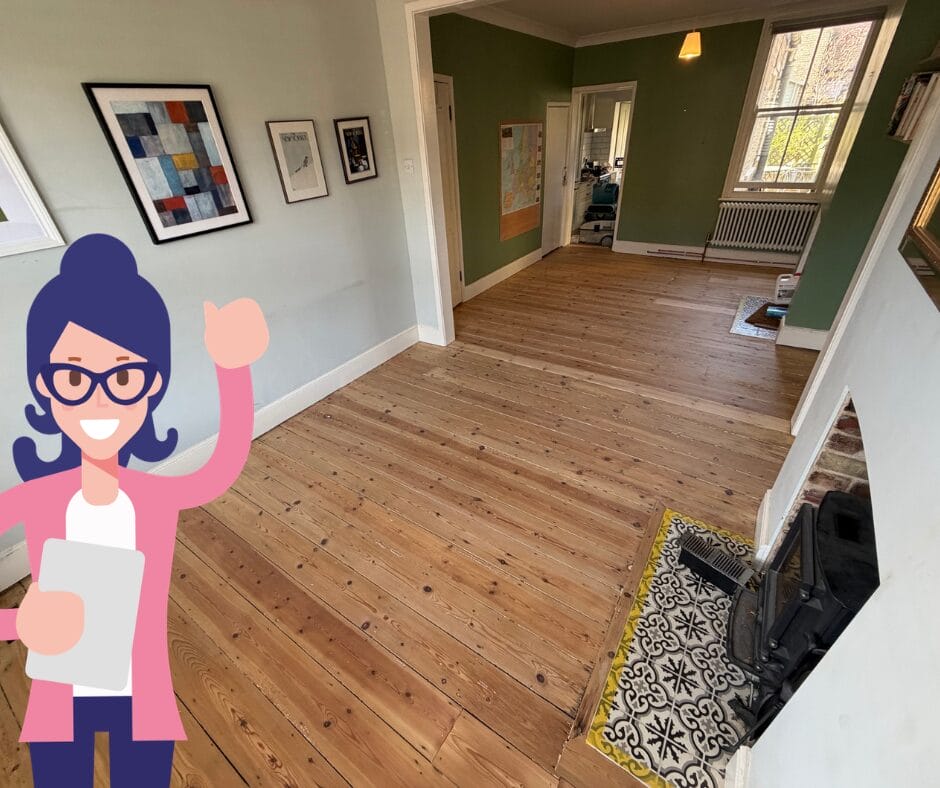
You do not notice it happening at first.
The chairs slide out for breakfast, slide back in, and the day carries on. One of the felt pads has gone missing again, and the scrape is so small you barely register it. The floor keeps taking tiny hits in the same spots until one day the light catches it, and you cannot unsee it.
It usually shows up in sunlight, that low morning or evening light that comes in sideways and makes every mark look louder than it is. Suddenly, the dining area looks worn, even if the rest of the room still feels lovely.
This is the story behind a lot of wood floor restoration calls, and it is also one of the easiest problems to slow down if you catch it early.
Key takeaways…
- Dining chairs cause repeated, concentrated wear, especially when felt pads compress or fall off.
- Early signs normally appear in low sunlight as haze, dullness, or fine scratch arcs.
- Strong polishes and cover-up products can create residue and patchy shine.
- Not every dining area needs full sanding, and exposed wood usually needs a proper repair.
- Prevention is mostly chair feet, grit control, and one simple weekly check.
Why dining chairs are such a common culprit…
Chairs do two things floors absolutely hate… They put lots of pressure into small contact points, and they move often.
When a felt pad is new, it glides softly. Felt compresses over time, it picks up grit, and it can peel away without you noticing. Once wood meets wood, or wood meets a plastic foot, the chair becomes a little sanding block that you are dragging across the same track day after day.
The frustrating part is that you can be careful and still get marks. All it takes is one chair that gets nudged with a foot, one teenager who leans back, or one rushed school morning when breakfast turns into a scramble.
The first signs of scratches to look for, before it becomes a full-time job
The early signs are subtle, and that is why people miss them.
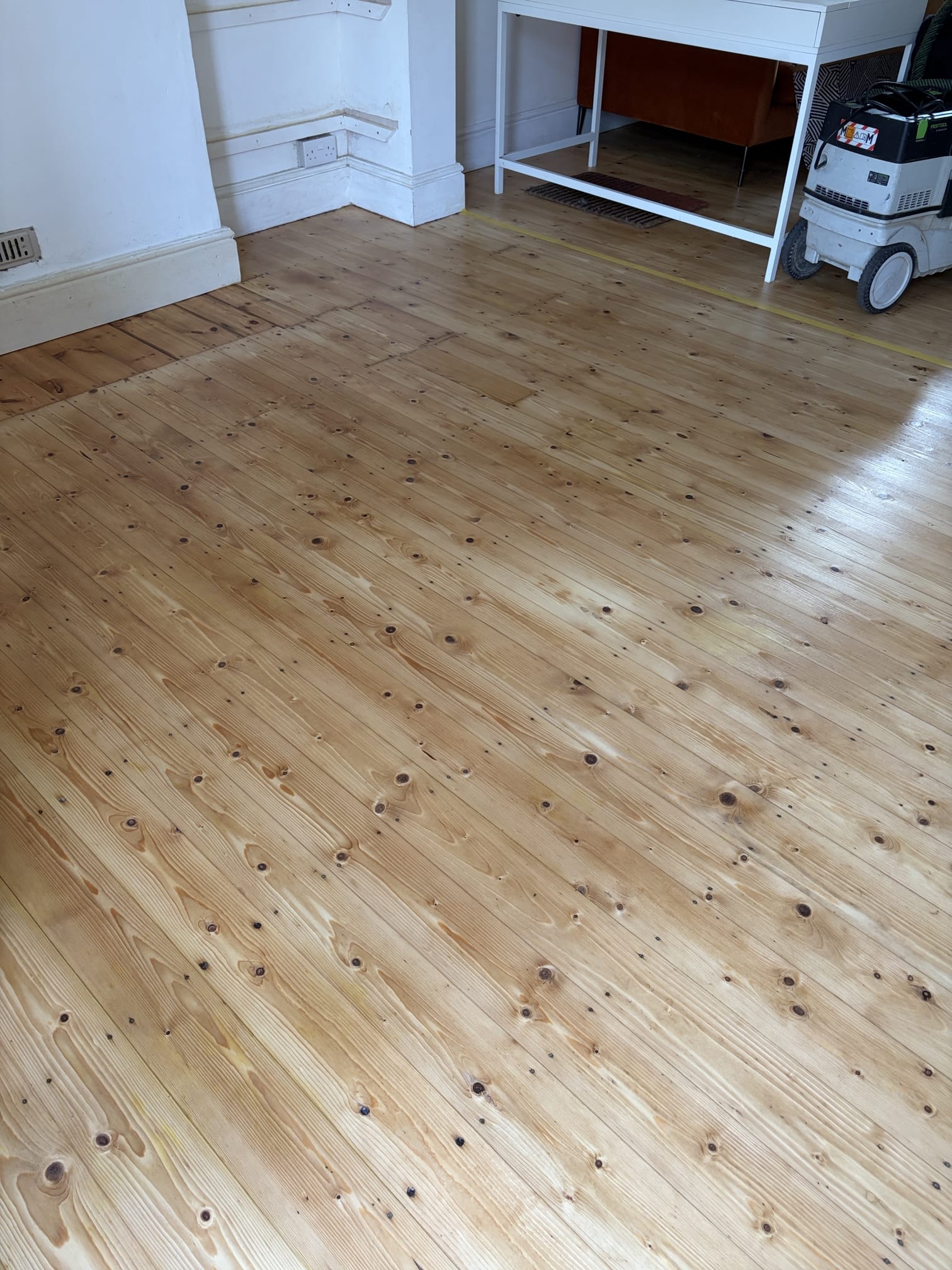
You might notice a slightly dull patch under the table, or fine half-moon scratches where chairs tend to sit. Sometimes it looks like a haze, as if the finish has gone tired rather than damaged. In the right light, it can look worse, and it is still worth paying attention to because this is the stage where prevention actually works.
If the scratches feel shallow and mostly sit in the finish, you can often protect the floor and stop it from escalating. If you can feel the groove with a fingernail, or the wood has started to look pale and thirsty where the finish has broken, it tends to get worse quickly in a busy home.
What to do this week, not in six months
This is the moment to go calm and practical. Not perfect, just consistent.
Start with the chair feet. Replace missing pads straight away and do the whole set, not just the one that fell off. Mixing old and new pads can make the chair height uneven, which leads to more scraping. If you want a longer-lasting option, there are better choices than stick-on felt, especially for heavy dining chairs that move constantly.
Next, clean the contact points properly… It is not just the pad… it is the grit it stores underneath it. A quick wipe under the chair feet and a gentle clean of the floor where your chairs sits can reduce that sandpaper effect ALOT!
Then add one simple habit. Once a week, run your hand under the chair feet when you vacuum. It takes seconds, and it catches the missing pad before the scratches appear.
When a quick fix makes it worse
There is a common panic response when people spot scratches in their wood floors. They reach for a strong cleaner, a waxy polish, or a scratch cover product.
Many of these leave a residue or build-up. That build-up can dull the finish more, make future recoating tricky, and can sometimes create a patchy shine that draws your eye to the problem. What started as a small cosmetic issue, suddenly becomes a much harder to blend later.
If you are unsure, keep it gentle. A floor-safe cleaner used sparingly is usually enough for a reset. If the finish has been broken, it is less about cleaning and more about protecting.
Do you need sanding, or can you restore without the disruption?
This is where a lot of homeowners feel stuck. Sanding sounds dramatic, and living with a scruffy patch feels annoying.
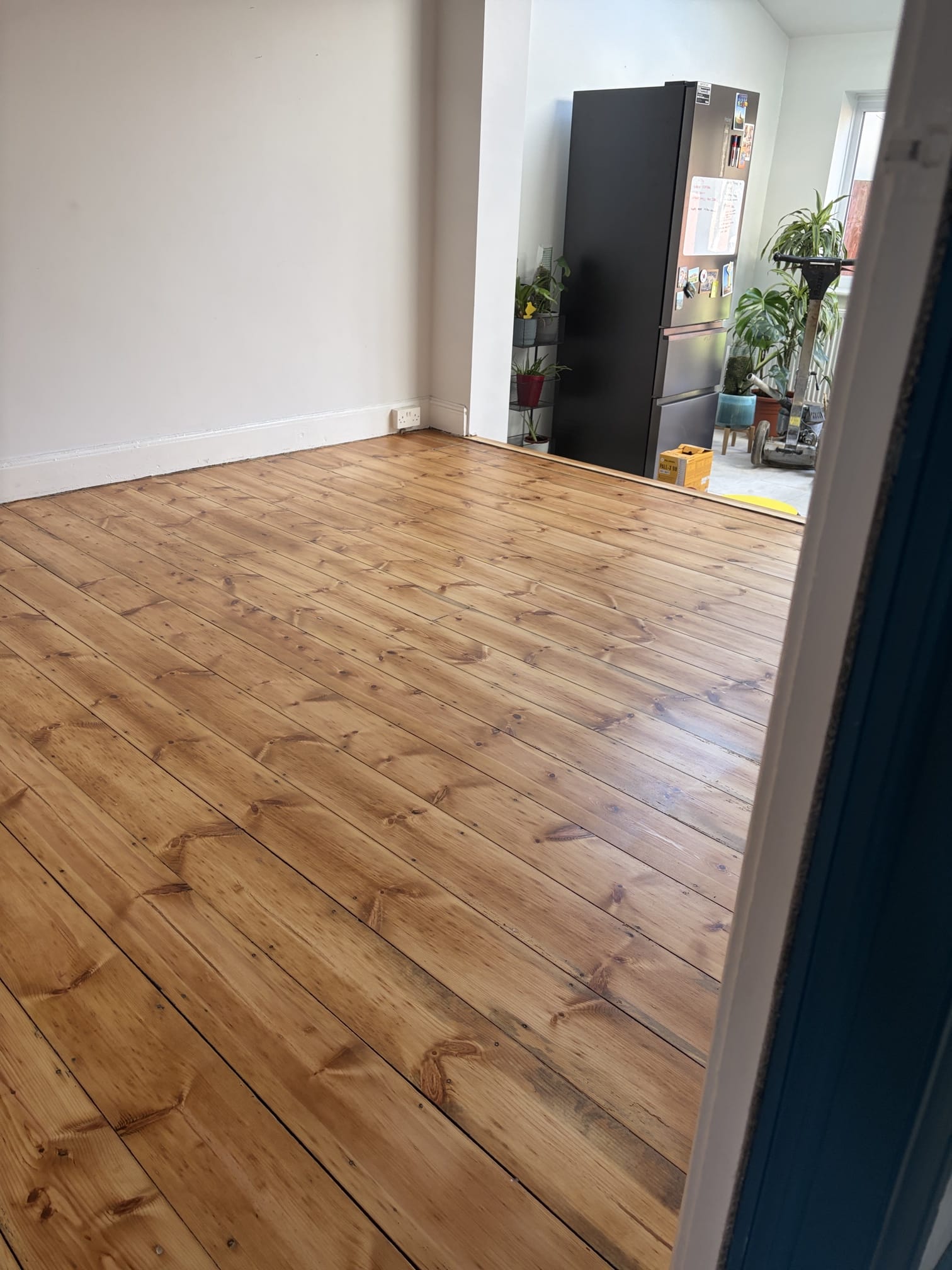
Not every marked dining area needs a full sand. In some cases, a professional refresh (often a light abrasion and recoat, depending on the existing finish and condition) can bring back clarity and protection without taking the floor back to bare wood.
If the damage has cut through the finish into the timber, or if the whole room has a tired, uneven look, sanding and refinishing may be the cleanest long-term solution. The decision is less about fear and more about what will stop you from having the same problem again next year.
If you are comparing options, the easiest way to decide is to ask one question. Are we fixing surface wear in the finish, or are we repairing wood that has been exposed and marked?
A quiet way to protect the floor once it looks good again
Once the floor is restored, the goal is not to tiptoe around it. It is to live normally, with a few smart safeguards.
Chairs are the big ones. If you sort the chair feet properly and keep grit under control, most dining areas hold up beautifully. A small rug under the table can help, too, as long as the underlay is safe for wood floors and does not trap grit or moisture.
And if your home is busy, consider your finish choice very very carefully. Some finishes are more forgiving day to day, and some will still show every tiny mark. The right choice depends on the traffic it will carry, not just how you want it to look on day one.
FAQs about wood floor scratches from chairs…
What are the best felt pads for dining chairs on wood floors?
Look for heavy-duty options made for frequent movement, not thin stick-on felt. The best choice depends on your chair weight and floor finish, and the key is a secure fit and a clean contact surface.
Can chair scratches be repaired without sanding the whole room?
Sometimes, yes. If the scratches are only in the finish and the rest of the floor is in good condition, a professional refresh or targeted approach may be possible. If the wood is exposed, sanding and refinishing is often the most reliable fix.
Why do my chairs still scratch the floor even with felt pads?
Pads compress, pick up grit, and wear unevenly. Trapped grit is often the real cause, so regular cleaning under chair feet makes a noticeable difference.
Should I use polish to hide scratches?
It can be tempting. Many polishes create build-up and uneven sheen, which can make the problem more visible and complicate future recoating. If you want to protect the area, it is safer to ask what finish you have first.
Soft next step
If you’ve spotted a marked dining patch and you’re not sure whether it needs sanding or a lighter restoration, feel free to ask. A quick look at the pattern of wear usually tells us the safest next step, with no pressure.