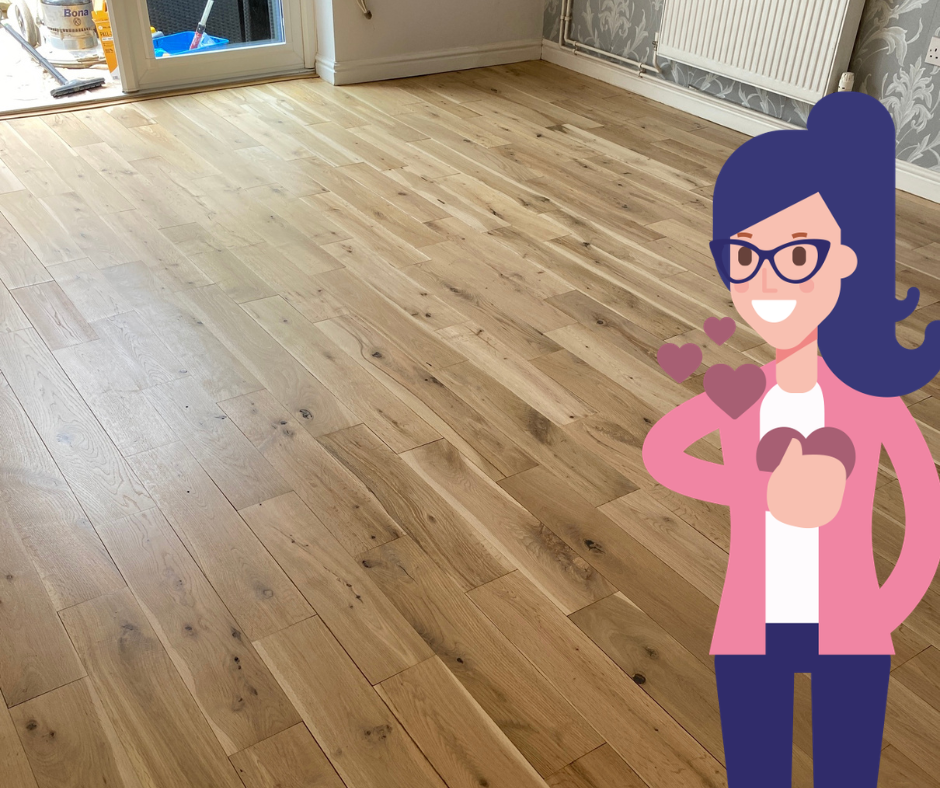
A wooden floor can look tired for several different reasons.
Sometimes it is just dirty. Sometimes the finish has become dull or worn. Sometimes the protective coating has failed, and the floor needs proper sanding before you can finish it again.
That is why it is easy to choose the wrong service.
Many people assume a tired wooden floor needs sanding, but that is not always true.
Other people keep cleaning a floor when the finish has already worn through, which can make the problem worse over time.
The right answer depends on the floor’s condition, the type of finish, how the room is used, and the result you want.
For homes in Suffolk, especially around Newmarket, Bury St Edmunds, Stowmarket, Sudbury and nearby villages, this question often comes up in older houses, family homes, cottages and properties where the wooden floor is part of the room’s character.
So how do you know whether your floor needs cleaning, recoating or sanding?
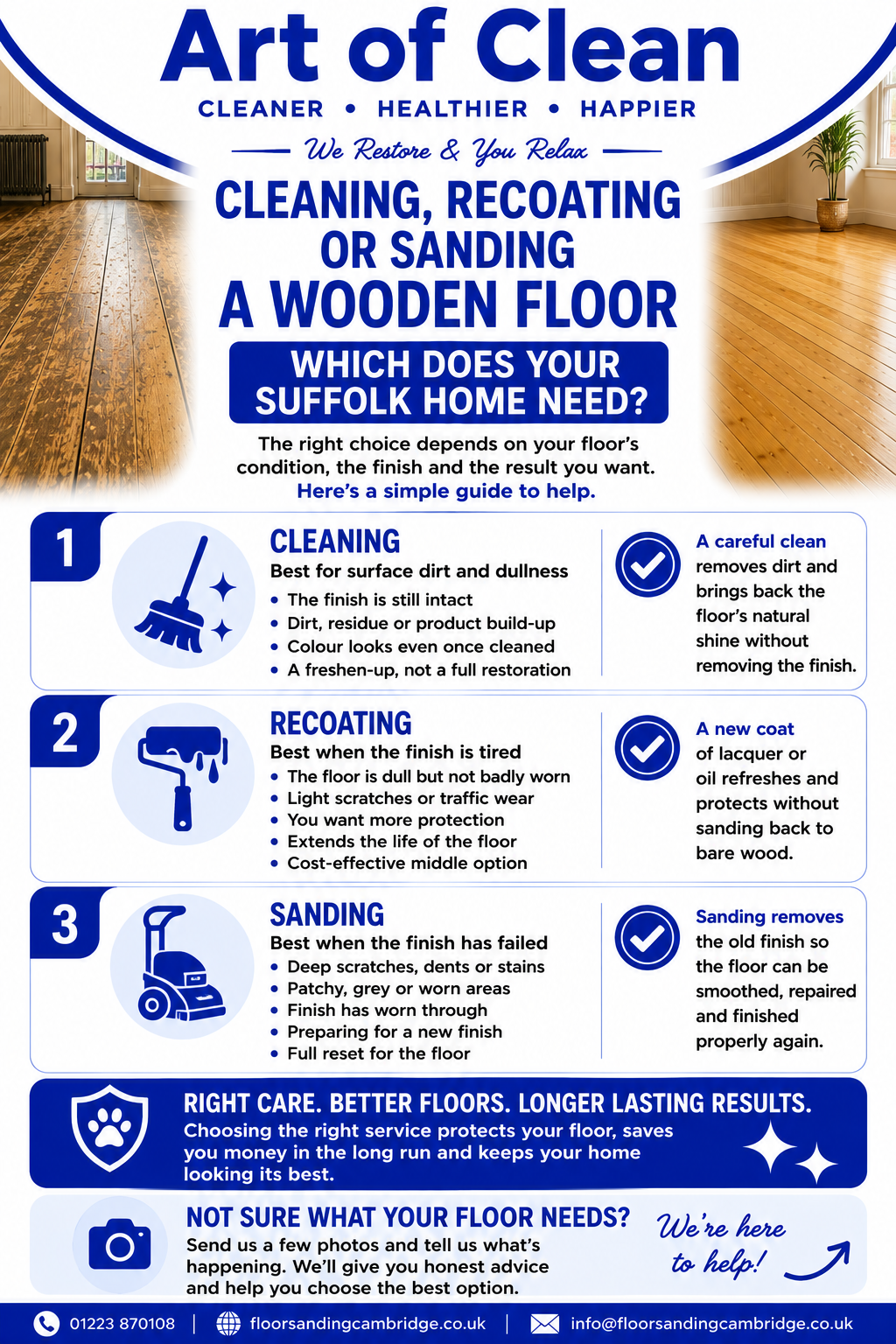
The simple answer is this: cleaning helps when the problem is mainly on the surface.
Recoating helps when the finish is still sound but needs more protection.
Sanding is usually needed when the finish has failed, the floor is scratched, patchy, stained or ready for a full reset.
Why wooden floors can be hard to judge
A wooden floor does not always show its condition clearly at first glance.
A dull floor may still have a protective finish.
A floor that looks dirty may actually be worn through.
A scratched floor may only be marked in the coating, or the damage may have gone deeper into the wood.
This is why a proper assessment matters before choosing the work.
A floor in a busy hallway may need a different approach from a sitting room floor that has simply lost its shine. A kitchen floor may have moisture marks, worn traffic areas or cleaning product residue.
An older pine floorboard may behave differently from an oak floor. An engineered floor may have limits that need checking before you discuss sanding.
The aim is not to do the biggest job. The aim is to choose the right level of care for the floor in front of you.
When cleaning may be enough
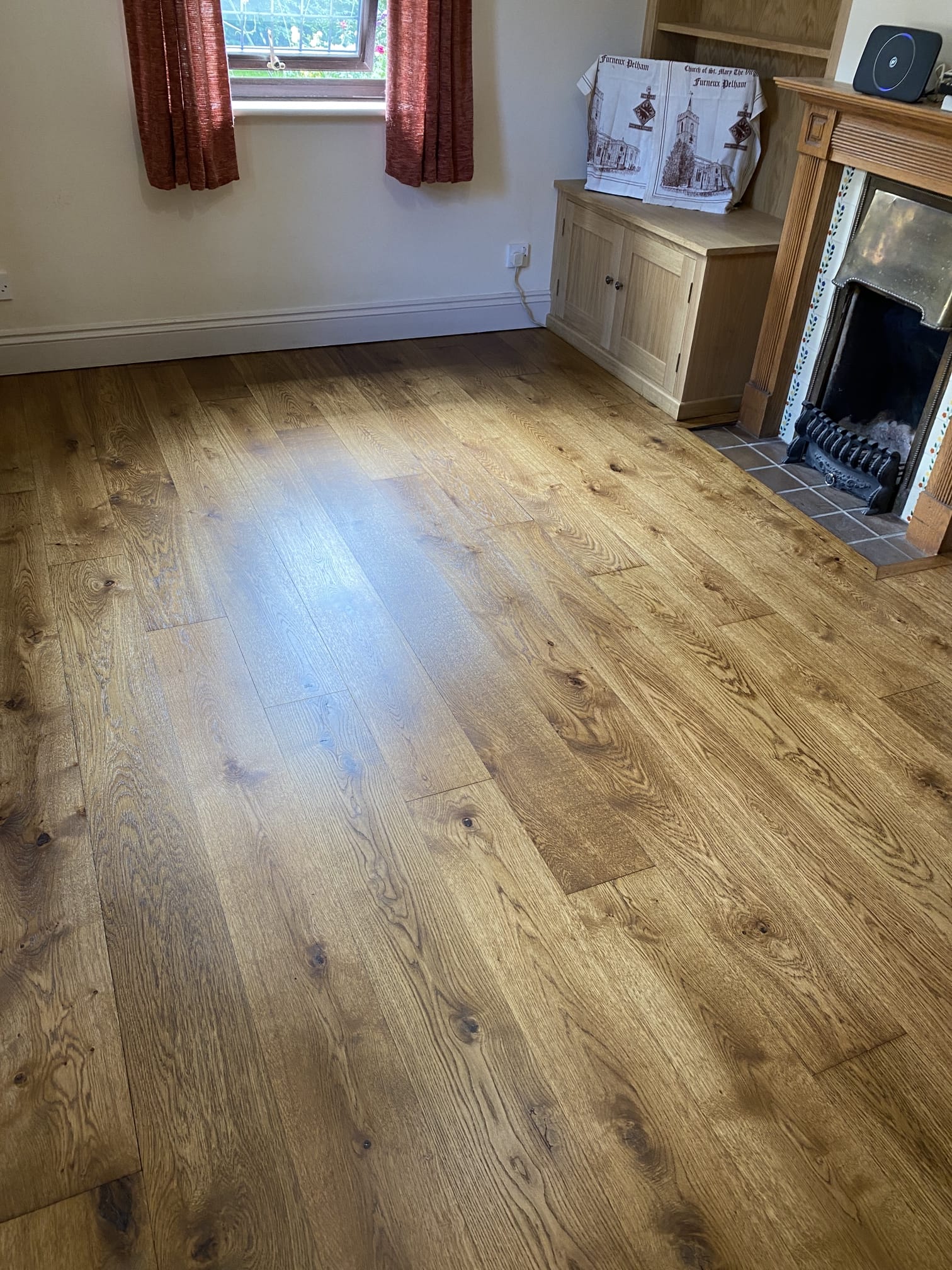
Cleaning may be the right first step when the wooden floor is mainly affected by surface dirt, residue or dullness, but the protective finish is still doing its job.
This can happen in busy Suffolk homes where normal life gradually builds up on the floor.
Shoes, pets, cooking, spills, dust, cleaning products and everyday traffic can all leave a floor looking tired.
In some cases, the floor does not need sanding at all. It needs careful cleaning with the right process for the finish.
The floor still has a protective finish. If water, dirt and daily use have not worn through the coating, cleaning may be enough to improve the appearance.
The problem is mainly surface dirt or residue. Some floors look worse because of cleaning product build-up or sticky residue. In that case, sanding may be unnecessary.
The colour is fairly even once cleaned. If the floor has not become patchy, grey or deeply scratched, a careful clean may restore enough of the appearance.
The room needs freshening, not restoring. This is common before visitors, after building work, before photos or when a home simply needs to feel cared for again.
Cleaning your failed finish won’t fix it. If the coating has worn away and the bare wood is exposed, cleaning will not give the floor the proper protection that it needs.
It can make it look better briefly, but the underlying problem will still remain.
General home care still matters in between your professional visiting to your home again.
The Wood Flooring Association advises regular dry cleaning to remove dust and grit, and warns against wet-mopping a wood floor.
That is useful guidance because too much moisture and the wrong cleaning method can affect the finish, especially on floors that are already worn.
The Wood Flooring Association maintenance guidance is a helpful external reference for this point.
When recoating may be the right middle option
Recoating is often the option people do not know to ask about.
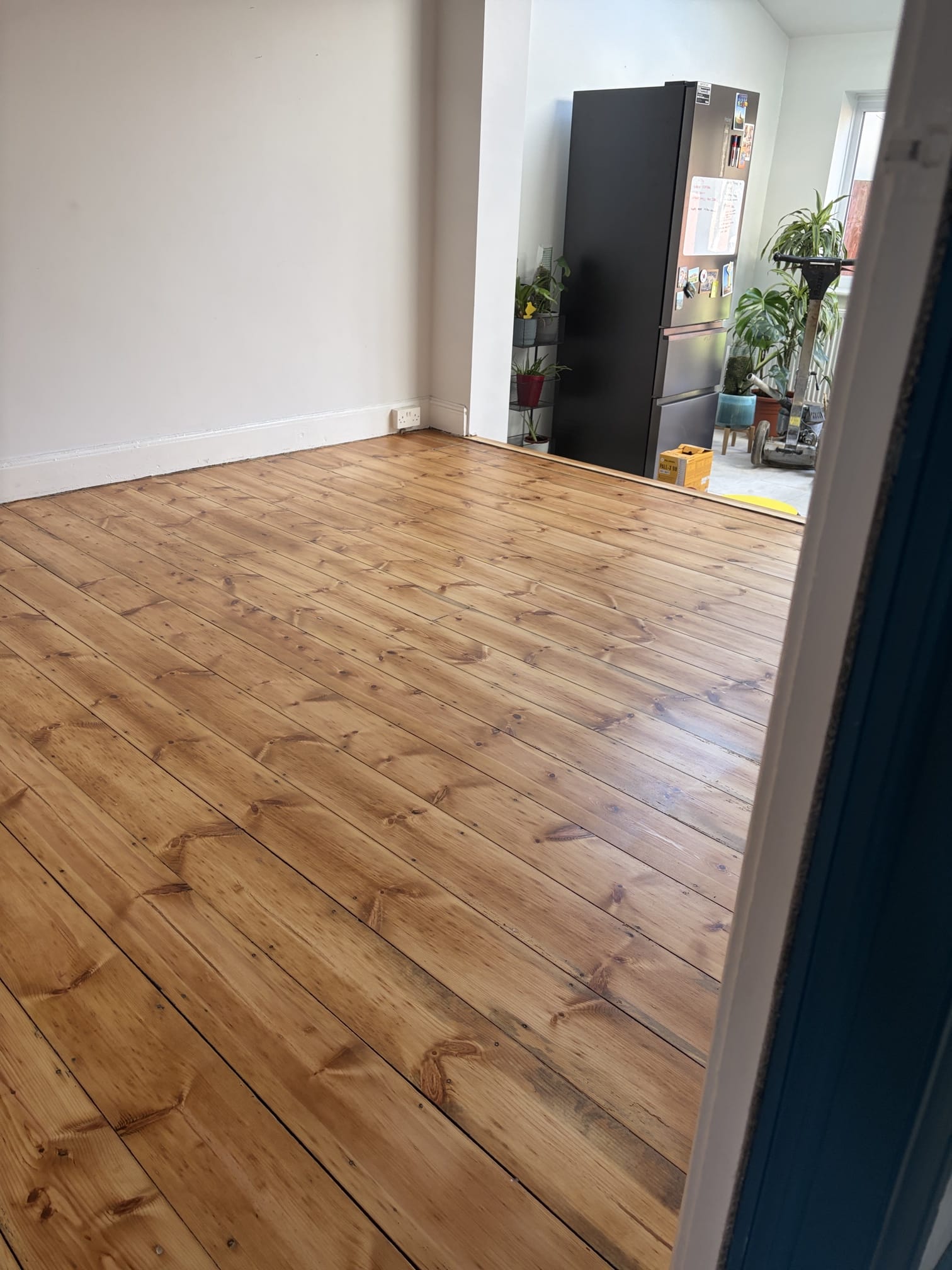
It can suit floors where the finish is still mostly intact, but the surface has become tired and needs more protection.
A recoat can help extend the life of the floor without taking it fully back to bare wood.
This can be useful in homes where the floor is still in reasonable condition but has started to lose its freshness. It may be a sitting room, hallway, dining room or kitchen where the floor is not badly damaged, but the finish no longer looks or feels as it should.
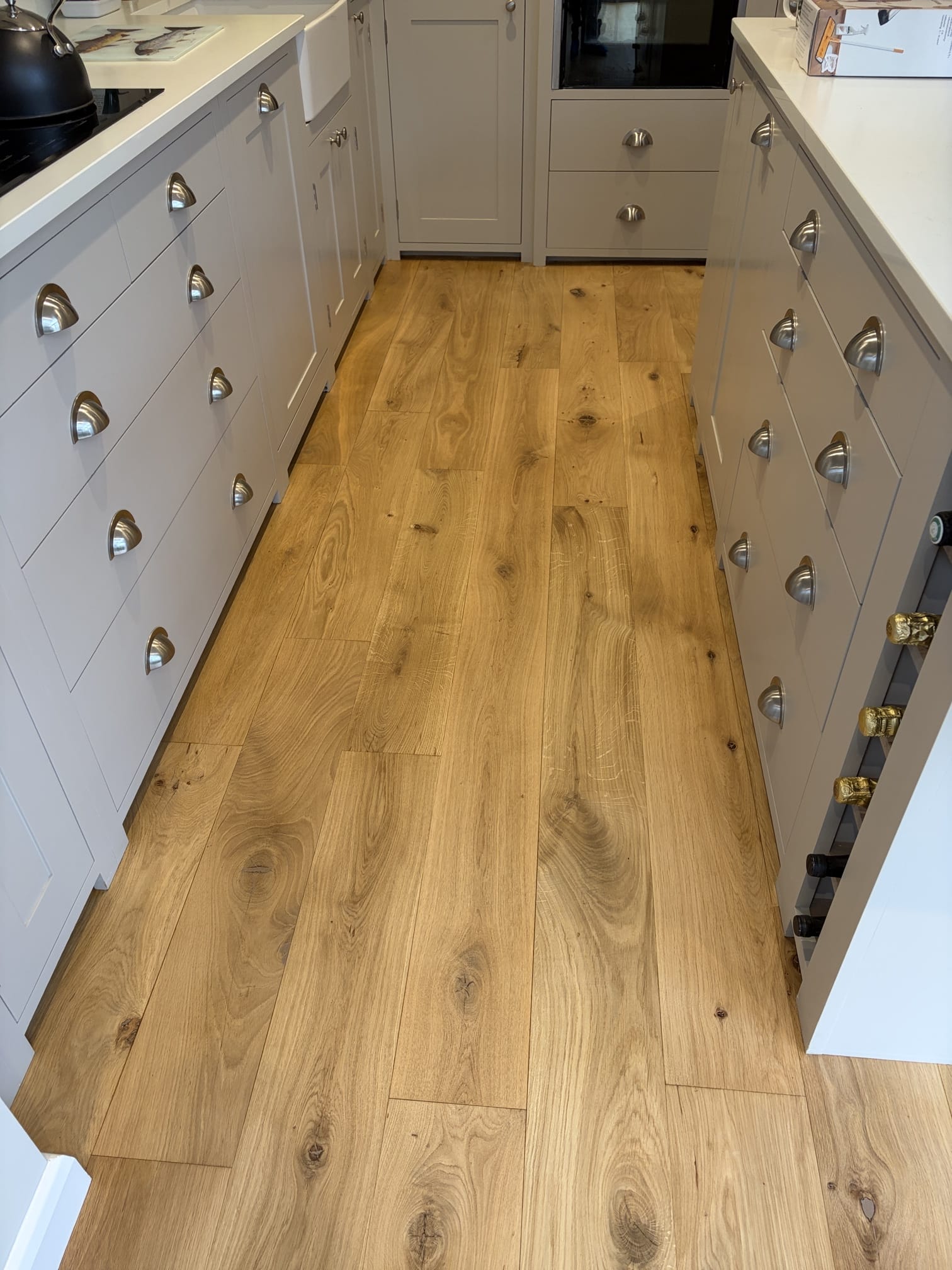
The floor is dull but not deeply damaged. If the surface has lost its sheen but the coating is still present, recoating may be worth considering.
The finish is worn, but not completely gone. Recoating works best before the floor has become too worn. Once bare wood is exposed, you may need to sand instead.
You want to protect the floor before it becomes a bigger job. A maintenance approach can sometimes delay the need for full sanding if it is done at the right time.
The existing finish is suitable for recoating. This is important. Not every floor can simply have a new coat applied. Previous products, contamination, waxes, oils, cleaning residues and wear can all affect whether a new coat will bond properly.
This is where professional advice helps. A recoat should not be guessed. If the wrong product is applied over the wrong surface, the finish may not perform as expected.
If your floor is still in generally good condition, wood floor maintenance may be the most sensible place to start. It gives you a way to look after the floor before it reaches the point where full restoration is needed.
When sanding is likely to be needed
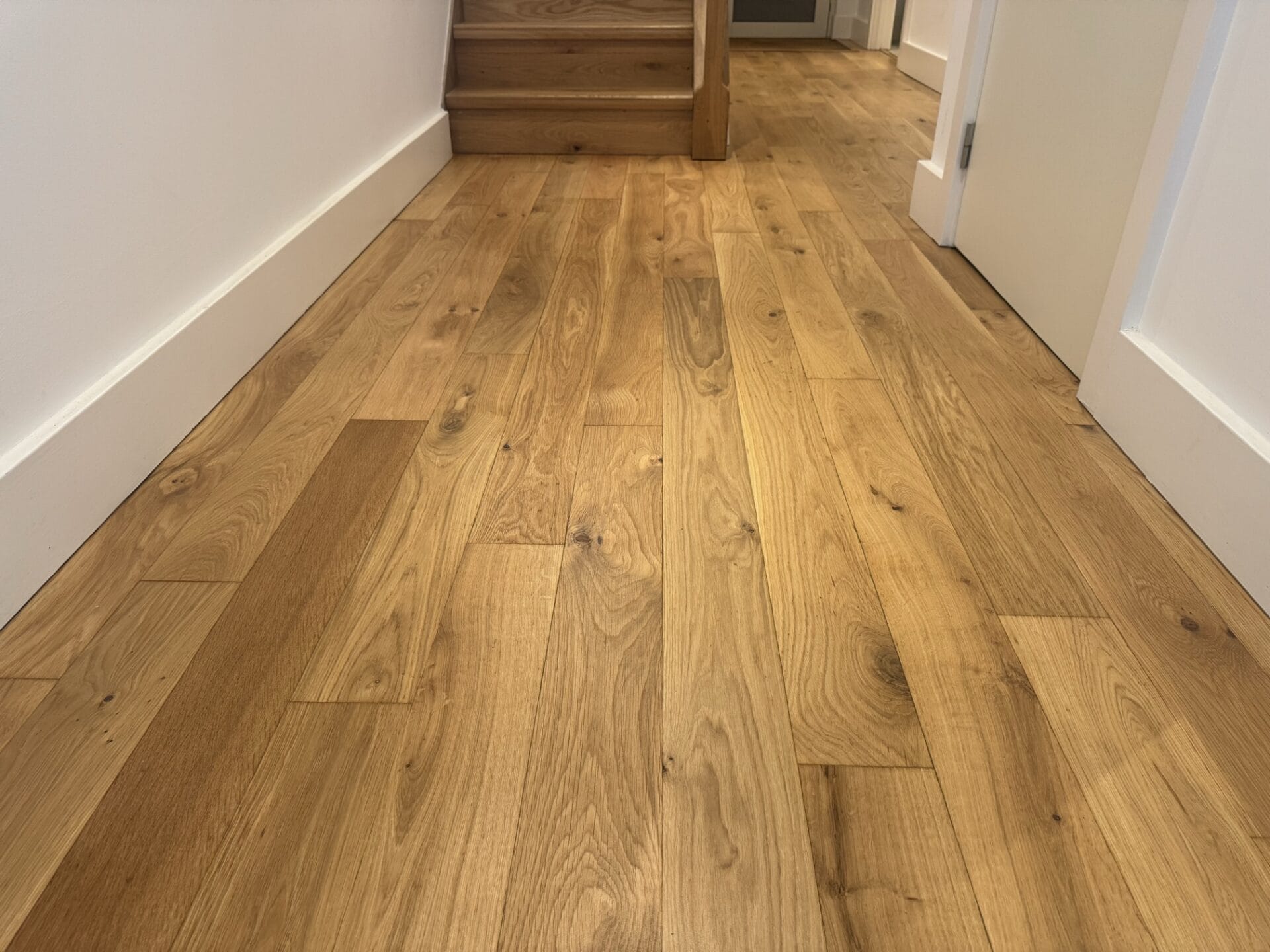
Sanding is usually the better option when the floor needs more than cleaning or recoating can provide.
This is the case when the finish has failed, scratches have gone deeper, the floor has become uneven in colour, old coatings need removing, or the client wants a proper reset before applying a new finish.
The finish has worn through in traffic areas. Hallways, kitchens, doorways and the areas around sofas or dining tables often show this first. Once the protective finish has gone, the wood underneath is more exposed.
Scratches have gone beyond the surface coating. Light surface marks may sit in the finish. Deeper scratches may need sanding if the floor is to look even again.
The floor is patchy, grey or uneven in colour. This can happen where some areas have been protected by furniture while others have taken years of traffic and sunlight.
Old coatings or marks need removing. Sanding can be needed where a floor has old varnish, damaged coating, a patchy finish or a previous treatment that needs to be taken back properly.
You want to change the finish. If you want to move from an old tired finish to a fresh oiled or lacquered surface, sanding is often part of preparing the floor properly.
Sanding is a bigger job than cleaning or recoating, but it may be the most effective route when the floor has reached that stage. The point is not to sand every tired floor. The point is to sand when the floor genuinely needs a reset.
For floors that need deeper work, wood floor sanding and restoration services can help bring the surface back to a condition where it can be finished again.
What a professional should check first
Before deciding between cleaning, recoating or sanding, the floor needs to be looked at properly.
This is especially important in older Suffolk homes where floors may have been sanded before, covered in the past, repaired in sections or treated with different products over time.
The first question is whether the floor is solid wood or engineered wood.
Solid wood usually gives more flexibility, although it still needs checking. Engineered wood depends on the wear-layer thickness and whether it has been sanded before.
The next question is the condition of the finish.
If the finish is sound, cleaning or maintenance may be enough. If the finish has worn through, sanding may be more appropriate.
Stains and marks also need honest judgement.
Pet stains, water marks, black marks, old plant pot stains and metal marks can sit deep in the wood. Sanding may improve them, but it should not be presented as a guaranteed fix.
A professional should also look for loose boards, damaged parquet blocks, gaps, movement, previous repairs, and areas where the floor may need stabilising before planning any finishing work.
The finish choice matters too.
Some rooms suit a durable lacquered finish. Others suit the look and feel of oil. If sanding is needed, wood sanding and lacquer or wood sanding and oiling may both be worth discussing, depending on the floor and how the room is used.
How room use affects the right choice
The same floor condition can lead to different advice depending on the room.
A hallway in a busy Suffolk family home may need stronger protection because it takes daily foot traffic, grit, shoes, pets and pushchairs.
A sitting room may need a finish that suits the look of the home and feels right with the furniture.
A kitchen floor may need extra care because spills, cleaning and moisture can all affect how the finish performs.
This is why the decision is not only technical. It is practical. The floor needs to suit the room, the household and the level of maintenance the client is comfortable with.
A floor that only needs a light refresh in a spare room may need a more durable answer in a kitchen or entrance hall. Good advice should take that into account before recommending cleaning, recoating or sanding.
Suffolk homes where this decision matters…
This topic has a strong local fit because Suffolk homes vary so much.
A cottage with older pine boards may need careful judgement before sanding.
A family home near Newmarket may have a hallway where daily traffic has worn through the finish.
A property near Bury St Edmunds may have a parquet floor that needs repair before finishing.
A home around Stowmarket or Sudbury may have an oak floor that looks dull but still has enough finish for maintenance.
The local point is not simply the town name. It is the kind of floor, the age of the home, the amount of wear and what the client needs from the room.
Some floors need full restoration. Some just need the right maintenance at the right time. Others are somewhere in between.
That is why a decision guide is more useful than a simple sanding sales page.
How to decide without spending more than you need
A useful way to approach the decision is to look at what has actually failed.
If the floor is mainly dirty, sticky or dull, cleaning may be the first step.
If the finish is still present but tired, recoating or maintenance may be suitable.
If the finish has worn through, the floor is badly scratched, or the colour is patchy and uneven, sanding may be the more honest option.
It is also worth thinking about the room itself.
A hallway that takes daily traffic may need a more durable solution than a spare room.
A kitchen floor may need careful consideration because moisture, cleaning and food spills all affect how the finish performs.
A sitting room floor may need a finish that looks right with the character of the home.
Budget matters too. The right advice should help you spend where it will make a difference, not push you towards the largest job by default.
Cleaning, recoating or sanding: a simple guide
- Choose cleaning if the floor is mainly dirty, sticky or dull, but the finish is still protecting the wood.
- Choose recoating if the finish is sound but tired, and the floor needs more protection.
- Choose sanding if the finish has failed, scratches are deeper, the colour is uneven, or the floor needs a full reset.
- Ask for repair advice if boards are loose, damaged, stained, uneven or moving.
- Be cautious with engineered wood until you’ve checked the wear layer and previous sanding history.
- Avoid guessing if the floor has been treated with wax, oil, polish or household products.
Before you choose…
A tired wooden floor does not always need sanding.
Sometimes cleaning is enough.
Sometimes recoating is the sensible middle option. Sometimes sanding is the right route because the finish has failed and the floor needs proper restoration.
The best decision starts with an honest look at the floor.
If you are not sure whether your Suffolk wooden floor needs cleaning, recoating or sanding, ask us to take a look. We will help you choose the right level of work for the floor, the room and your budget.
FAQs about cleaning, recoating and sanding wooden floors
How do I know if my wooden floor needs sanding?
A wooden floor may need sanding if the finish has worn through, the surface is scratched, the colour is patchy, or the floor still looks tired after cleaning. If the wood itself is exposed or marked, cleaning alone is unlikely to solve the problem.
Can a wooden floor be recoated without sanding?
Sometimes, yes. Recoating may be suitable if the existing finish is still sound and the floor has not become too worn. It depends on the current finish, previous products used on the floor and whether a new coat can bond properly.
Is cleaning enough for a dull wooden floor?
Cleaning may be enough if the dullness is caused by surface dirt, residue or product build-up. If the protective finish is still intact, professional cleaning or maintenance may refresh the floor without full sanding.
Is sanding always better than recoating?
No. Sanding is not always the best or most cost-effective option. If the floor is still in good condition, recoating or maintenance may be enough. Sanding is usually better when the finish has failed, the floor is damaged, or the surface needs a full reset.
Can engineered wood floors be sanded?
Some engineered wood floors can be sanded, but not all. It depends on the thickness of the top wear layer, the condition of the floor and whether it has been sanded before. They should check this before they recommend any work.
What is the best option for a wooden floor in a busy hallway?
A busy hallway often needs more protection than a low-use room because it takes regular foot traffic, grit and daily wear. The right choice depends on whether the finish is still sound. Cleaning may help if the surface is dirty, recoating may help if the finish is tired, and it may need sanding if the finish has worn through.
Should I clean, recoat or sand my wood floor before selling my home?
It depends on how much the floor affects the look of the room. If it only needs freshening up, cleaning or maintenance may be enough. If the floor looks scratched, patchy or worn through in photos and viewings, sanding may be worth considering.